Privacy Policy: Your email address is 100% safe.
We don't spam and hate it as much as you do :-) You can also unsubscribe from our mailing list at any time.
Subscribe to The FREE Papillon Training Course to learn how you can easily turn your unruly and disobedient Pap into a loving, friendly companion. Step-by-step tips for puppy housebreaking, dog obedience training and stopping bad behavior.
Sign Up
Sign Up
Papillon: Origin, Personality, Fitness & Health (Pap)
About Papillon
Country of Origin, History of Papillons
The Papillon's Country of origin is a mystery. The dog is one of the oldest breeds and its history can be traced back to 700 years. The word 'Papillon' means 'butterfly dog' in French. The dog got its name because of its big butterfly ears. The drop-eared variety of the breed is known as the Phalene. The dog also appeared in the paintings of the Renaissance period and was favored by the royal families across the European Continent. The credit of perfecting the breed goes to the French breeders.
Papillon Tools
Breed Selector Tool - is the Papillon the right breed for you?
Is the Papillon the right breed for you and your family?
Find out by using our Free Dog Breed Selector Tool
Check Your Papillon's Learning Style
Are you aware dogs also have a learning style that can greatly affect their ability to housetrain as well as be trained correctly. Evaluate your Papillon's learning style and personality using our free Learning Style tool so that you are better able to provide him with the proper Papillon training methods.
Is your Papillon dominating over you?
Does your Papillon bark unnecessarily? Does your Papillon come to you when you call? Download a FREE Report on Dog Dominance for you and your Papillon and learn how to control your dog.
Do you make these mistakes with your Papillon?
Are you inadvertently snow-balling bad behavior in your Papillon? Evaluate your Dog Training Style from our Free Tool and learn how best to deal with your dog.
Papillon Calorie Calculator
Do you know how many calories your Papillon needs every day and how many cups of food you should be giving it every day? Click here to use our Papillon Calorie Calculator.
A General Description of the Dog
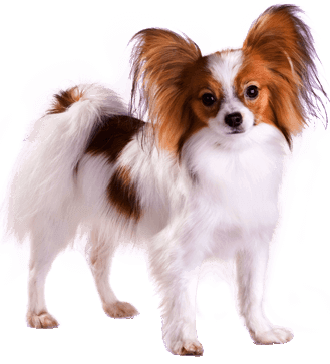
The dog has a small tapering head and round, dark, medium-sized eyes. Papillons have a black, small, round nose and butterfly ears, which are either drop ears or carried erect. This breed has a short, pointed muzzle. The tail is long and plumed, which is curled over the back. They have fine-boned, slender hindquarters and forequarters.
Coat
The recognized coat color is white with patches of any other color. Papillons have a thick, long, straight, coat and do not have an undercoat.
Height
Male : 8-11 inches
Female : 8-11 inches
Weight: 8-10 lbs for both males and females

Free Papillon Training Secrets
Free Course on Papillon Training & Obedience
Stop All Bad Behavior, Excessive Barking and Biting
Papillon Personality Traits
Temperament of the Dog
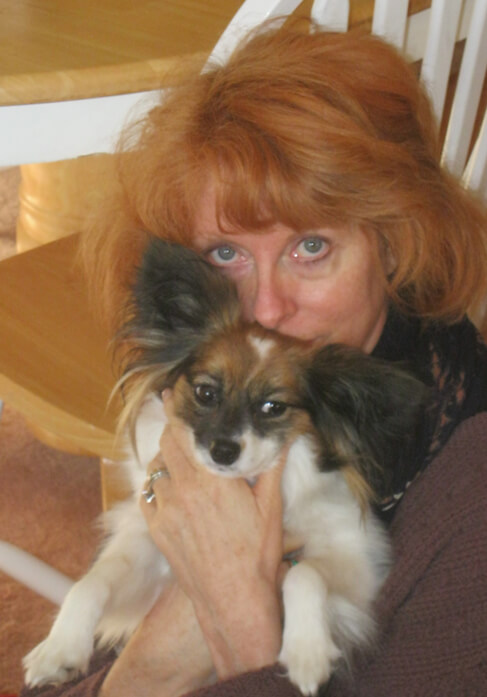
Papillons are elegant, energetic and playful. They are friendly with all dogs and humans. They are charming, calm, cute, small and are extremely alert. They greet everyone with great pleasure and are neither shy nor beligerent. Papillons are affectionate and lovable little creatures and are intelligent and obedient and fast learners. They are possessive towards their owners. They love to be cuddled and enjoy romping around. Paillons can pick up tricks easily. They are excellent athletes.
Some bloodlines are difficult to housetrain and are timid and highstrung.
Good with other dogs/ and other animals?
They are friendly with other dogs and animals, but they hate cats.
Good with children?
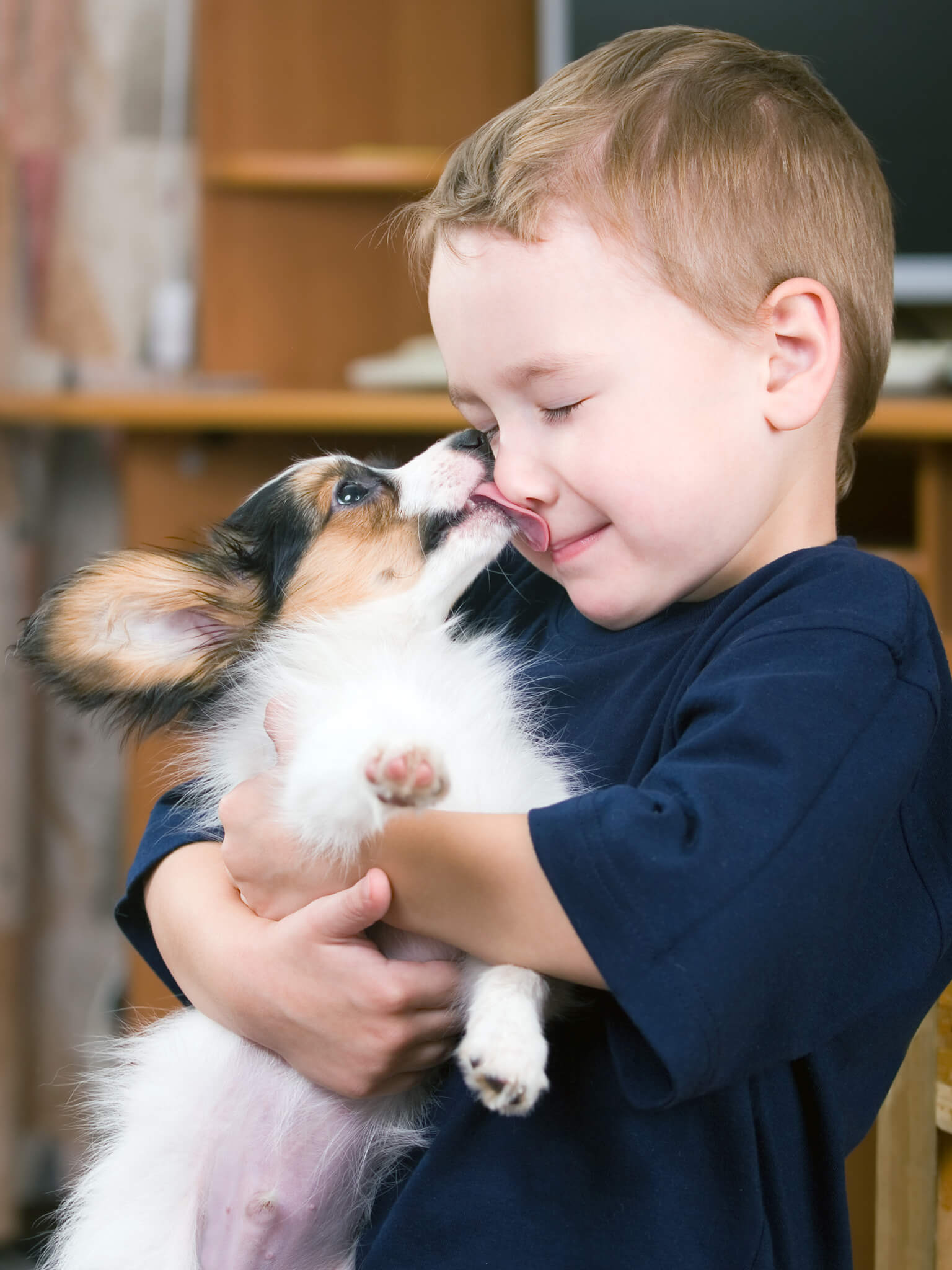
They get along well with older children. Kids might confuse them with stuffed toys and harm them in the process. Teasing makes them snappy.
Better suited to an indoor or outdoor lifestyle?
Papillons are protective of their
own domain and might bark a lot at the slightest
noise. This is the reason why they are not suitable
for the apartment lifestyle.
What kind of home would they do best in
- one with kids, or any such specifications?
They do best in households with older children.
Training
Papillons are easy to train because of their intelligence and obedience. These dogs should be taught to obey commands like, 'sit', 'go', 'heel', 'stay', 'no' etc. They are often trained as watch dogs and therapy dogs. Paillons should be crate-trained. They should be trained to stay in their crates until they are commanded otherwise. They should be taken to a selected spot every day after each regular meal. However, accidents happen and pups are never to be ill-treated. Dogs thrive on positive reinforcement and they should be praised after successful completion of each task.
Free Papillon Training Secrets
Free Course on Papillon Training & Obedience
Stop All Bad Behavior, Excessive Barking and Biting
Papillon Activity Level
How active is the breed ?
They do not require too much of an exercise and are active indoors. Short walks are of real help. Papillons are prone to knee joint injuries.
How much exercise does the dog need at every stage of its life?
Puppies should be prevented from over exercising. They might sustain crippling injuries. Moreover, old dogs might also develop similar complications.
How to take care of a Pap Puppy?
How to take care of the breed as a Papillon Puppy?
Papillon pups need adequate rest. The pups are to be fed with nutrient-rich dog food. Pups are prone to accidents, so they should be prevented from loitering around unhindered with the help of a a spacious crate. Vaccination and de-worming schedules should be strictly ahered to.
Harsh chemicals, electrical cords should be kept out of their reach and they should be allowed to play at intervals. Hygeine is a must. Chewable toys would dissuade him from chewing up furniture during teething.
Severe hypoglycemia may even be fatal for pups. Hypoglycemic pups should be treated with doses of karo syrup or Nutri-cal and a vet should be consulted if the condition persists.
Grooming
They need daily brushing to prevent matting and should be shampooed when necessary. Harsh chemicals are to be avoided. Anal glands should be expressed, preferably by a vet, and nails to be clipped and ears cleaned on a regular basis. Owners should buy proper grooming equipment if they do not wish to involve a professional groomer which might prove to be too expensive in the long run.
Free Papillon Training Secrets
Free Course on Papillon Training & Obedience
Stop All Bad Behavior, Excessive Barking and Biting
Health and Care
Genetic Problems
The breed suffers from genetic disorders like Patellar Luxation, Progressive Retinal Atrophy, Periodontal, Liver Shunt, Deafness, Epilepsy and Legg-Clave-Perthes.
Breeding the dog and any cautions
A genetic test should always be conducted before breeding the dog. Papillons might have complications during whelping and owners should always consult a registered breeder to breed their dogs.
Litter Size: 2-4 average
Life Span: 16 years
National Breed Clubs
National Breed Club:
British – Papillon (Butterfly
Dog) Club – http://www.papillonclub.co.uk
U. S. – Papillon Club of America – http://www.papillonclub.org
Recognition: CKC, FCI, AKC, UKC, KCGB, CKC, ANKC, NKC, NZKC, APRI, ACR .
Group: Toy Group.
AKC Popularity Ranking: 54
Also Known As: Continental Toy Spaniel, Epagneul nain Continental, Butterfly Dog, Pap, Phalene, Squirrel Spaniel
Train Your Papillon To Listen To You
Get Instant Access to Your Training Now - For Free
Sign up for our Free Papillon Mini Course to have a housebroken, obedient dog that happily comes to you every time you call.
You'll learn new commands to obedience-train your dog as well as how to housebreak your dog in 6 days or less.
You'll also learn how to eliminate bad habits like barking, nipping or biting, jumping, or pulling on the leash.Here's just s small fraction of what else you'll learn in the course:
How to lead and think like a pack dog - the new psychology.
3 dangerous mistakes that most Pap owners make when they are trying to potty train their dogs.
The 2 main reasons why your dog barks excessively and how to control its excessive barking.
How to obedience train your Papillon to permanently end behavioral problems like Jumping, Aggression, Pulling on Leash.
A surprisingly easy way to teach your dog cool new tricks.
How to improve your dog's lifespan and keep it from getting overly heavy with a healthy and nutritious diet.
Getting Pro help fast - how to get access to our expert trainers when you need them most.
One hidden psychological trigger that all Papillons have... that practically allows you to "analyze" and "control" your dog's every action.
Priority access to the free online seminars conducted by our training experts.
Whereas other dog training related web sites and books offer generic information for dogs in general, ours is the ONLY web site that offers Pap information specifically, from a renowned panel of experts - because as you probably know, Paps have their own special training requirements that other dogs don't have.




What Other Dog Owners Say…

Our Free Courses
Dog Obedience TrainingDog Housetraining
Stop Dog Barking
Stop Dog Biting
HomeMade Dog food
Dog Grooming
Adopting A Dog
Read More
PureBred Dog BreedsMixed Dog Breeds
Dog Groups
Training Small Dog Breeds
Training Medium Dog Breeds
Training Large Dog Breeds
Exercising Your Dog
Dog Health
More Articles
Dog Grooming Needs
Our Tribute