Privacy Policy: Your email address is 100% safe.
We don't spam and hate it as much as you do 🙂 You can also unsubscribe from our mailing list at any time.

Subscribe to The FREE Dog Diet and Nutrition Course to learn how to interpret the Dog Food Labels and select the right dog food. Also, get homemade dog food recipes for balanced nutrition for your dog. Gift your dog a long and healthy life.
Best Food For Your Dog
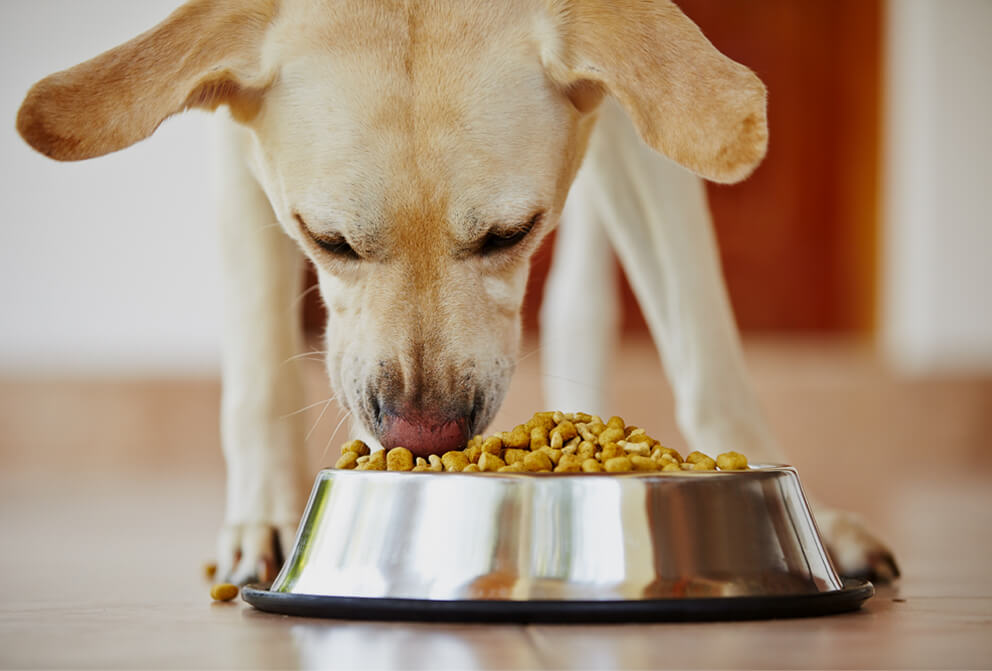
FACT #1: There have been 5300 dog food scares in 2006 and 2007, with over 3600 pet deaths.
FACT #2: Many Commercial dog foods contain chemicals and bi-products such as Phosphoric Acid, Butylated Hydroxysanisole, Ethoxyquin, Sorbitol or Propylene Glycol (which is used in antifreeze! )
FACT #3: These bi-products and chemicals may lead to Cancer, Obesity, Heart Attacks, Kidney Disease or even Death.
FACT #4: Homemade dog foods offer a safer choice BUT, most owners are unsure of the nutritional needs of their dogs. Many homemade diets are lacking in the key nutrients a dog needs to maintain optimal health. Some believe, that homemade diets are time consuming and expensive.
Which Dog Food To Choose?
As a dog owner, you would have asked these questions at some point in time… such as…
What does my dog need for his food? What doesn’t he need?
How much should he eat as a puppy? An adult?
When he’s overweight?
Is my dog food safe?
What should I feed my dog and what should I avoid?
Get answers to all these questions by signing up for the FREE Dog Diet and Nutrition Mini Course
Dog Lovers Training Course
Regular Price: $97.
Discount of: $30.
Current Price: $67 only.
Reading the Dog Food Label
It is very natural to get confused by the variety of dog foods available in the market today. Just think of the options you have from the market alone: High-protein diet, Dry kibbles, Canned food, Vegetarian Diet, Raw food Diet, Low Calorie Diet, Special Puppy Food… and so many more.
The first step to choose the right food for your dog is to learn to read the label. Ingredients are listed in descending order by percentage. Therefore, the first 3-4 ingredients make up the bulk of the food content.
The first ingredient should be meat and should be listed by exactly what kind of meat. For example, it should say “chicken meal” rather than “poultry meal” or “lamb meal” and not “meat meal” as the terms poultry and meat can indicate it is any kind of bird or any kind of meat and may or may not have come from a controlled environment.
Meats should simply be the kind of meat or meal and not a by-product. By-products can cause diarrhea and do not have much nutritional value.
Subscribe to the FREE Dog Diet and Nutrition Mini course to learn how to read the Dog Food Label.
Giving Your Dog A Balanced Diet
As a responsible dog owner, you should provide your pet with meals containing particular proportions of proteins, carbohydrates, fatty acids, and specific vitamins and minerals. And again, that should vary based on your dog’s size, age, activity level and living condition.
A proper balance of the above components will not only keep your dog healthy and happy but it will also save you from the frustration and expense of frequent vet visits.
Subscribe to the FREE Dog Diet and Nutrition Mini Course and learn how much calorie does your dog need daily
Determining your dog’s specific needs can be difficult.
If you are feeding your dog dry food or kibbles, make sure he drinks adequate amount of water. No matter what you feed your dog, check his water supply often and make sure he has plenty of clean water.
Dry food usually helps to keep the dog’s teeth clean and his gums healthy and helps him to work his jaws. This kind of dog food is easily digestible.
Or, you can give purely home-cooked food or a combination of Home-cooked meals and readymade food.
You can safely give your dog most normal lamb and rice combinations. This not only takes care of the nutritional needs of your dog, it reduces the risk of allergies and other health disorders.
Home-cooked food can do wonders for the dog. Yes, for today’s time-crunched dog owners, cooking food at home is a hassle – but the results that you get may be worth the effort.
Get 4 recipes for Homemade recipes from the Dog Diet and Nutrition Mini Course.
Should You Buy Commercial Dog Foods?
It’s time you stopped believing in pseudo experts or bought into the lies of commercial pet food manufacturers.
For the first time ever, a group of leading canine nutrition experts with over 30 years of experience put an end to all the questions commonly asked by dog owners. Read about their shocking discoveries on how:
Your dog’s behavior, health and happiness is DIRECTLY affected by what it eats.
Your dog’s health is IN YOUR HANDS and its lifespan can be prolonged… simply by feeding it more nutritious food.
More importantly, learn the exact TYPES of nutritious food you should be feeding your dog based on its size, breed and age…
Remember, feeding your dog sub-par food can actually reduce the number of years in your dog’s lives.
Join our FREE Dog Diet and Nutrition Mini Course and learn what to feed your Dog for it to have a long, active life.
The Dog Diet and Nutrition Mini-Course will also give you:
Tips on how to read a dog food label
3 recommended commercial dog foods that are safe, healthy and hygienic
4 home-made dog food recipes
A method to calculate the exact amount of calorie your dog needs everyday (based on it’s weight, age, activity, living condition).
Special diet requirements for puppies
How to help your Obese dog get back to normal weight
How to learn the exact natural diet and nutrition requirements of your dog’s breed
Sign up for our FREE Dog Diet and Nutrition mini course now and gift your dog a few more years of love, playfulness and good health…
Mini-Course on Dog Diet
When you subscribe to our FREE email course on Dog Diet And Nutrition, you will discover expert tips on dog diet and health, homemade dog food and dog treat recipes, recommended commercial dog foods, feeding schedule for your dog and much more.
Get the first email to your Inbox in the next 3 minutes and take the first step to give the right nutrition to you dog and gift him with a long, happy and healthy life.
Just fill in your details below and get started...