Privacy Policy: Your email address is 100% safe.
We don't spam and hate it as much as you do :-) You can also unsubscribe from our mailing list at any time.
Subscribe to The FREE Australian Cattle Dog Training Course to learn how you can easily turn your unruly and disobedient Cattle Dog into a loving, friendly companion. Step-by-step tips for puppy housebreaking, dog obedience training and stopping bad behavior.
Sign Up
Sign Up
Australian Cattle Dog: Origin, Personality, Fitness & Health (Blue Heeler, Queensland Heeler, Halls Heeler)
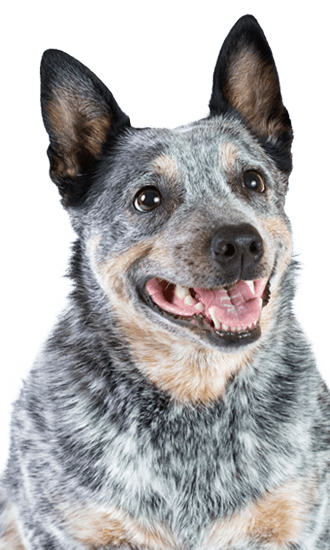
About Australian Cattle Dog
Country of Origin, History of Australian Cattle Dogs
The Australian Cattle Dog originated from Australia in the later part of the 19th century. The Australian Cattle Dog became popular owing to its high level of stamina and herding abilities. Their ability and inborn drive to control the movement of other animals, like a herd of cows, to pasture by leaping and nipping at their heels. They received their name as 'Heelers' owing to their habit of nipping at the heels of a cattle while herding.
Australian Cattle Dog Tools
Breed Selector Tool - is the Australian Cattle Dog the right breed for you?
Is the Australian Cattle Dog the right breed for you and your family?
Find out by using our Free Dog Breed Selector Tool
Check Your Australian Cattle Dog's Learning Style
Are you aware dogs also have a learning style that can greatly affect their ability to housetrain as well as be trained correctly. Evaluate your Australian Cattle Dog's learning style and personality using our free Learning Style tool so that you are better able to provide him with the proper Australian Cattle Dog training methods.
Is your Australian Cattle Dog dominating over you?
Does your Australian Cattle Dog bark unnecessarily? Does your Australian Cattle Dog come to you when you call? Download a FREE Report on Dog Dominance for you and your Australian Cattle Dog and learn how to control your dog.
Do you make these mistakes with your Australian Cattle Dog?
Are you inadvertently snow-balling bad behavior in your Australian Cattle Dog? Evaluate your Dog Training Style from our Free Tool and learn how best to deal with your dog.
Australian Cattle Dog Calorie Calculator
Do you know how many calories your Australian Cattle Dog needs every day and how many cups of food you should be giving it every day? Click here to use our Australian Cattle Dog Calorie Calculator.
Description of
the Breed
A typical Herding Dog, the Australian Cattle Dog
is a medium sized dog that is mainly used for herding
cattle. The Australian Cattle Dog is a hard-muscled,
sturdy and athletic dog without any trace of being
frail or delicate. The Australian Cattle Dog is
also well known for its agility.
Coat
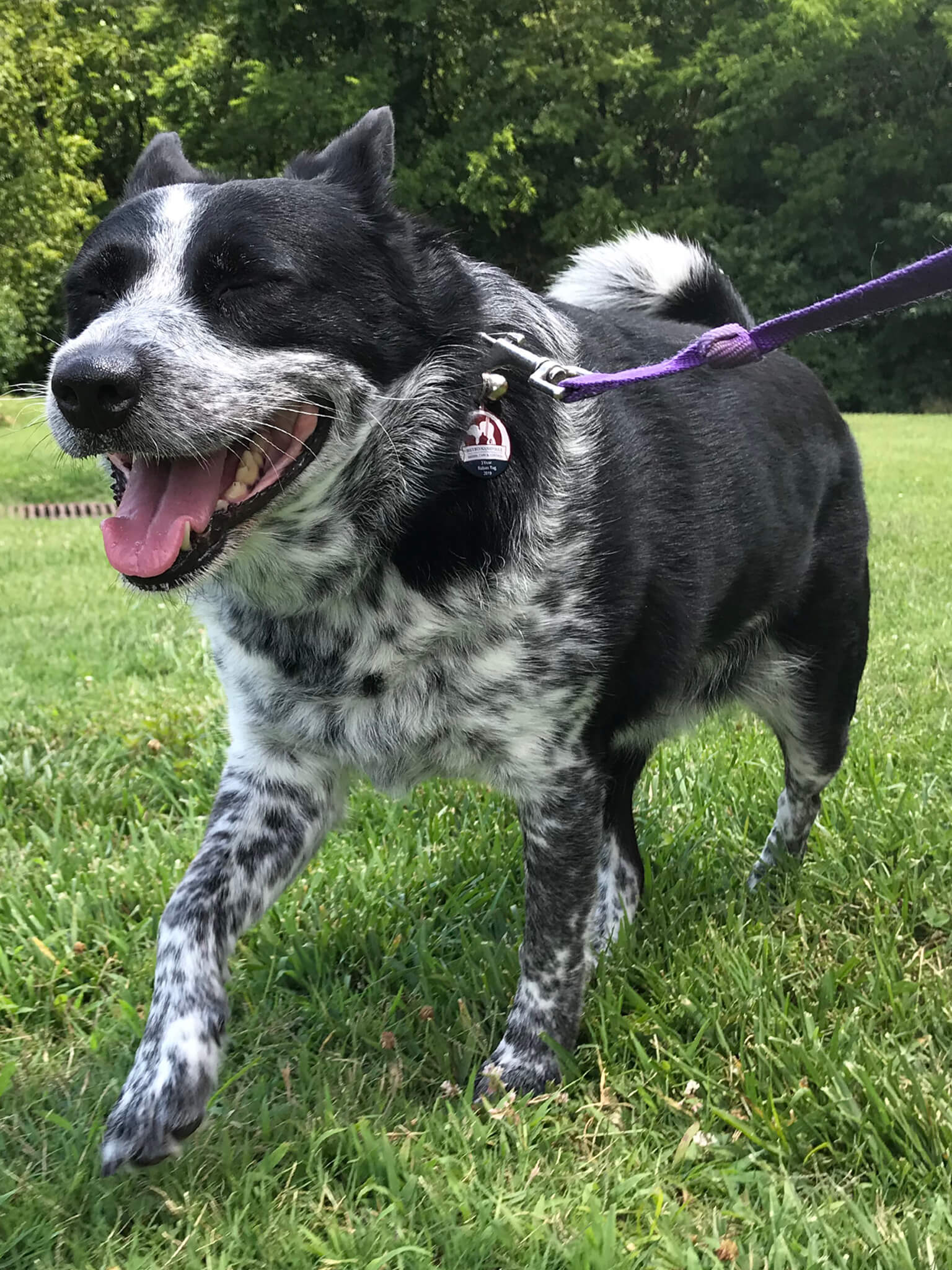
As the name suggests, the coat of the Blue Heeler is blue in color with black, blue or tan markings. Although the puppies of a Australian Cattle Dog are born white in color, their coat color starts to change within 14 to 21 days.
A seasonal shedder, the Australian Cattle Dog is double-coated (to beat the weather) with the outer coat being plane and even. The Australian Cattle Dog has dark oval eyes and pointed ears widely set on a round broad head.
Height: 17 to 21 inches
Weight: 35 to 45 pounds

Free Australian Cattle Dog Training Secrets
Free Course on Australian Cattle Dog Training & Obedience
Stop All Bad Behavior, Excessive Barking and Biting
Australian Cattle Dog Personality Traits
Temperament of the Dog
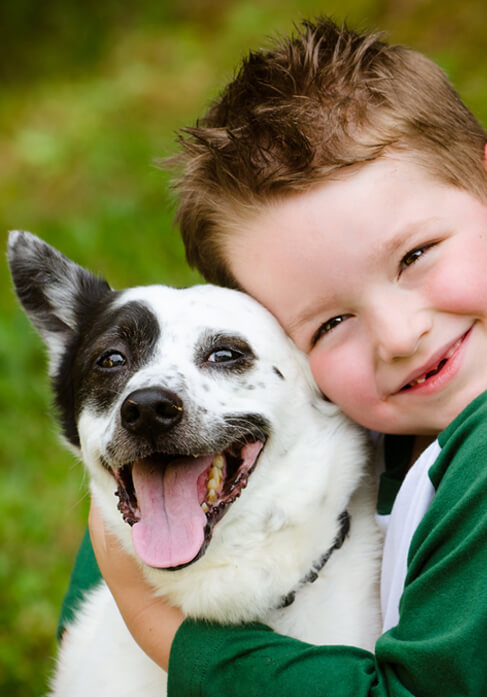
The Blue Heeler is a highly intelligent, energetic, independent, obedient, patient and agile dog. The Australian Cattle Dog is loyal, devoted, highly dependable, affectionate and protective by nature. They love to stay around humans and mix well with those children who were around them from their puppy stage.
Lack of activities and boredom can lead to major behavioral problems. They are aggressive towards strangers and don't usually get along well with other pets like cats or unknown dogs. Their courageous personality enables them to be perfect watchdogs apart from acting as herders or retrievers.
Basically, being herding dog by nature, they always have the instinct to herd anything that moves, be it adults, kids or cattle. Their high dominant self makes them aggressive a number of times. Many a times the Australian Cattle Dog has nipped at the heel of a child or an adult trying to herd them.
Training the Australian Cattle Dog is easy, however, their stubborn self may react aversely to harsh methods. Thus positive reinforcements are important to fully train the dog.
Suitable for apartment living?
The Blue Heeler is most unsuitable for apartment or small space living. They are usually content living in huge farms (preferably in the country side or rural areas) with lots of free space to run and play around. A house having a big fenced yard suits them fine as well.
Australian Cattle Dog Activity Level
Exercise requirement
A herding dog by nature, the Australian Cattle Dog
needs high amount of exercise that involves running,
retrieving and playing. Lack of activities and boredom
can lead to major behavioral problems like aggressiveness
and destructiveness. They enjoy it immensely when
their owners involve them in activities that will
keep them physically and mentally busy.
Grooming
A seasonal shedder, the Australian Cattle Dog needs regular brushing or combing with a firm brush to keep away ticks and mites. Eyes and ears should be cleaned regularly for hygiene purposes. Bathing should be done when only necessary.
Free Australian Cattle Dog Training Secrets
Free Course on Australian Cattle Dog Training & Obedience
Stop All Bad Behavior, Excessive Barking and Biting
Health and Care
The most common health issues noted by owners have been musculoskeletal (spondylosis, hip and elbow dysplasia, and arthritis) and reproductive (pyometra, infertility, and false pregnancy.
National Breed Clubs
Life Expectancy: 10 to 12 years.
Breed Club:
www.gdca.org
Rescue Link:
www.gdca.org/rescue.htm
Group: Herding Group.
AKC Popularity Ranking: 46
Also Known As: Blue Heeler, Queensland Heeler, Australian Heeler, Hall's Heeler
Train Your Australian Cattle Dog To Listen To You
Get Instant Access to Your Training Now - For Free
Sign up for our Free Australian Cattle Dog Mini Course to have a housebroken, obedient dog that happily comes to you every time you call.
You'll learn new commands to obedience-train your dog as well as how to housebreak your dog in 6 days or less.
You'll also learn how to eliminate bad habits like barking, nipping or biting, jumping, or pulling on the leash.Here's just s small fraction of what else you'll learn in the course:
How to lead and think like a pack dog - the new psychology.
3 dangerous mistakes that most Cattle Dog owners make when they are trying to potty train their dogs.
The 2 main reasons why your dog barks excessively and how to control its excessive barking.
How to obedience train your Australian Cattle Dog to permanently end behavioral problems like Jumping, Aggression, Pulling on Leash.
A surprisingly easy way to teach your dog cool new tricks.
How to improve your dog's lifespan and keep it from getting overly heavy with a healthy and nutritious diet.
Getting Pro help fast - how to get access to our expert trainers when you need them most.
One hidden psychological trigger that all Australian Cattle Dogs have... that practically allows you to "analyze" and "control" your dog's every action.
Priority access to the free online seminars conducted by our training experts.
Whereas other dog training related web sites and books offer generic information for dogs in general, ours is the ONLY web site that offers Cattle Dog information specifically, from a renowned panel of experts - because as you probably know, Cattle Dogs have their own special training requirements that other dogs don't have.




What Other Dog Owners Say…

Our Free Courses
Dog Obedience TrainingDog Housetraining
Stop Dog Barking
Stop Dog Biting
HomeMade Dog food
Dog Grooming
Adopting A Dog
Read More
PureBred Dog BreedsMixed Dog Breeds
Dog Groups
Training Small Dog Breeds
Training Medium Dog Breeds
Training Large Dog Breeds
Exercising Your Dog
Dog Health
More Articles
Dog Grooming Needs
Our Tribute